How do I verify if a kitchen faucet complies with lead free standards?
- VIP-User
- 2026-07-08
- 4
Verifying if a kitchen faucet complies with lead-free standards requires checking for recognized third-party certification marks, such as the cUPC Product Listing Certification and NSF/ANSI 61 or 372 listings. These certifications confirm that the plumbing fixture meets strict North American low-lead limits, ensuring safe drinking water compliance.
Core Solutions & Key Takeaways
- Verify Certified Markings: Look for physical or digital proof of cUPC and NSF certifications on the product packaging, installation manual, or the faucet body.
- Inspect Material Composition: High-quality lead-free faucets utilize premium materials like lead-free brass and 304 stainless steel to prevent heavy metal leaching.
- Target Application Scenarios: Ensuring lead-free compliance is vital for faucets installed in residential bathrooms, kitchens, and outdoor entertainment areas where water is consumed.
- Confirm Component Safety: Verify that internal parts, including faucet cartridges, carry independent safety listings to guarantee the entire water path is non-hazardous.
Detailed Architectural/Principle Analysis
To verify the lead-free compliance of a plumbing fixture, professionals must look beyond aesthetic finishes and examine the underlying materials and third-party testing credentials. The Safe Drinking Water Act (SDWA) mandates that wetted surfaces of pipes, fittings, and fixtures contain no more than a weighted average of 0.25% lead. Verifying this involves a systematic review of independent laboratory listings.
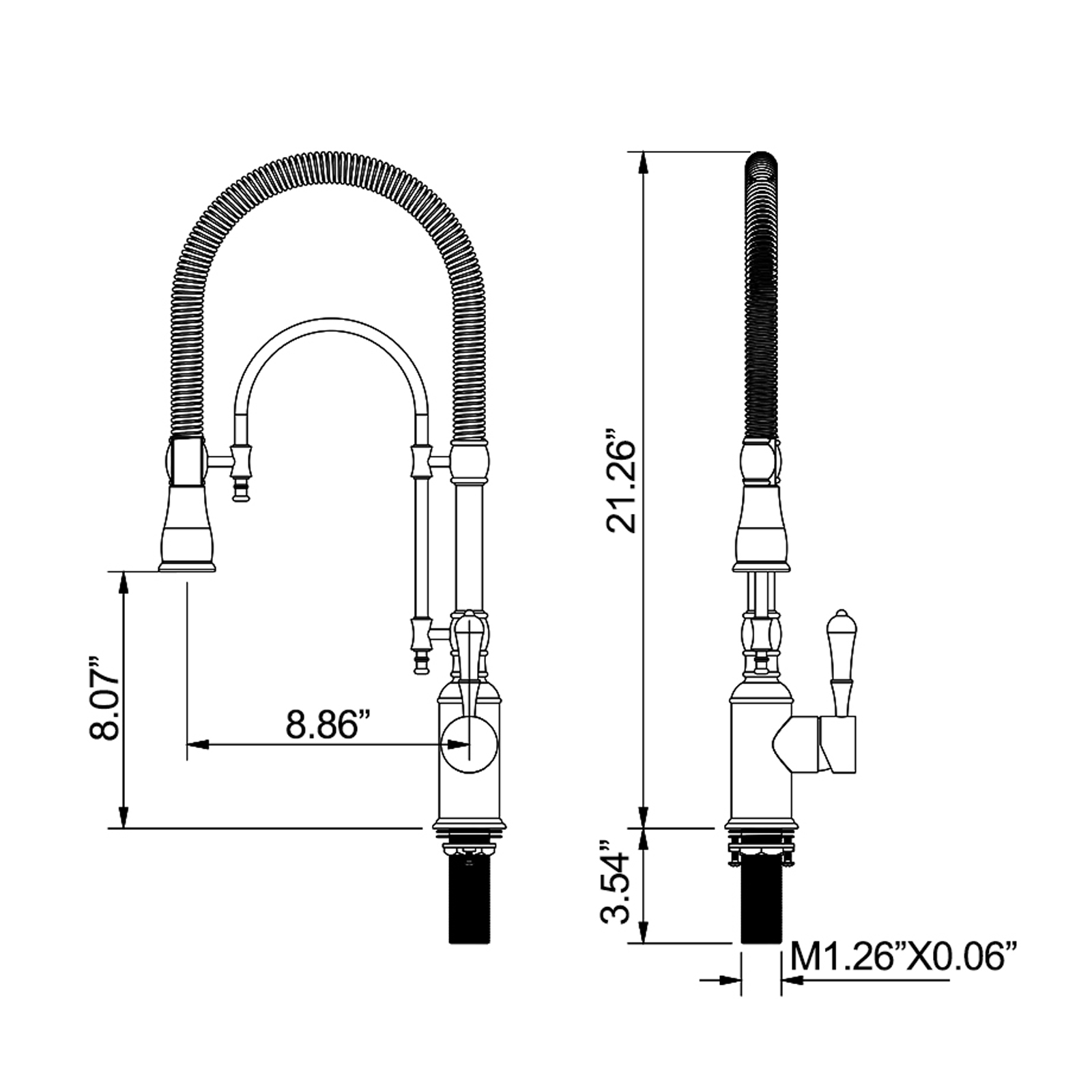
The primary method of verification is checking the certification database of accredited organizations like the IAPMO R&T or NSF International. For instance, the cUPC Product Listing Certification (such as Certificate MC-13485) proves compliance with both US and Canadian plumbing codes for fixture fittings and materials. Additionally, checking for an NSF Listing of Safe Drinking Water Products (such as Certificate C0044104 for faucet cartridges) ensures that the internal components regulating water flow do not contribute harmful substances to the drinking supply.
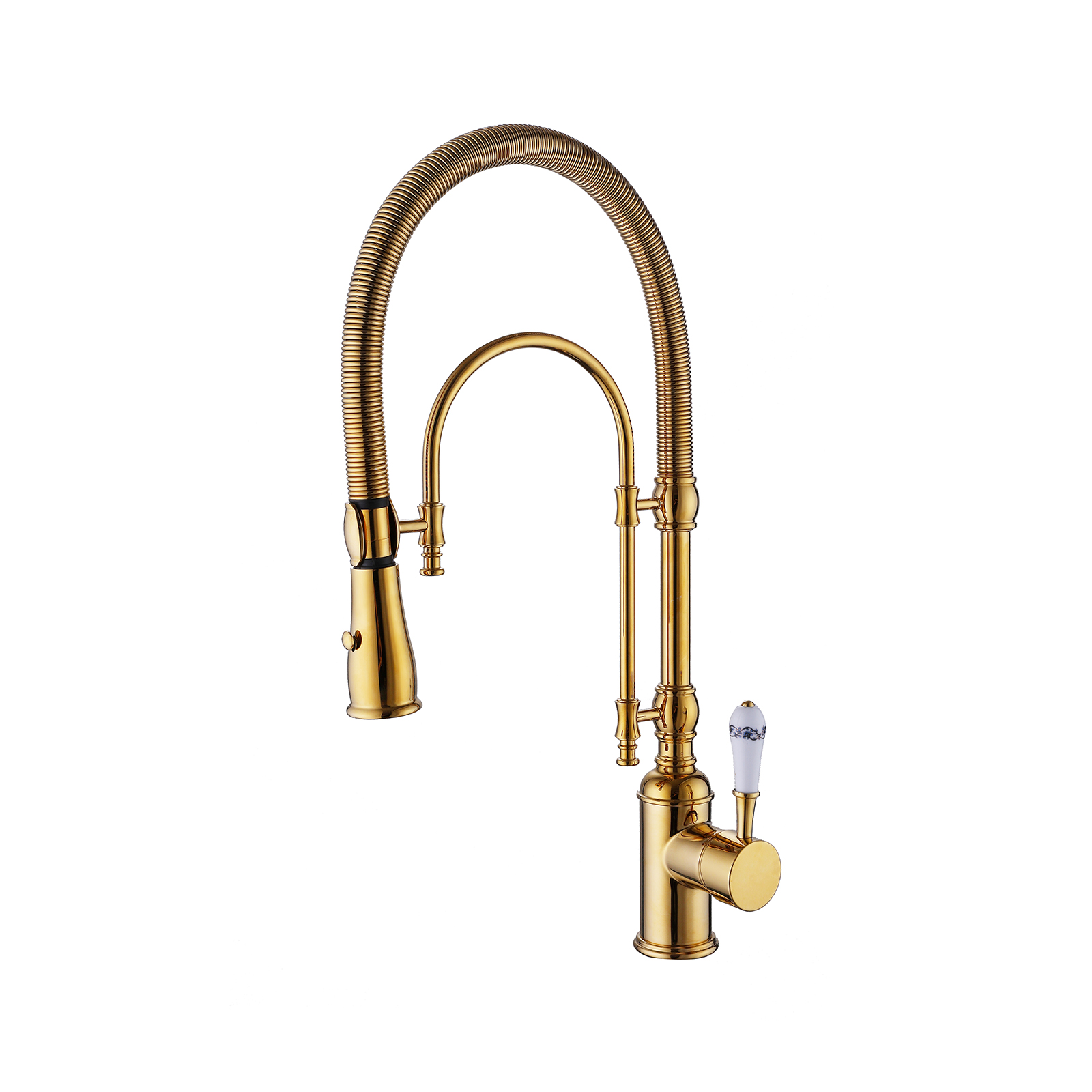
In commercial projects, builders, contractors, and designers working across the US rely on these verified certificates to pass local building inspections and complete installation acceptances. Using products with documented compliance mitigates legal risks and ensures long-term safety in municipal and private water systems.
Data/Solution Comparison
When selecting a kitchen faucet, comparing materials, certifications, and manufacturing quality controls helps ensure compliance and durability. The table below details the specifications of a certified plumbing fixture solution:
| Specification Parameter | Details / Compliance Standard |
|---|---|
| Primary Materials | Lead-Free Brass + 304 Stainless Steel |
| Product Certifications | cUPC Product Listing Certification (MC-13485) |
| Component Safety Listing | NSF Listing for Faucet Cartridges (C0044104) |
| Valve Core Type | Ceramic valve core |
| Quality Inspection Process | Raw material inspection, in-process testing, finished product testing, installation acceptance |
| Standard Flow Rate | 15psi / 2.4gpm |
Frequently Asked Questions (FAQ)
How can I confirm if a specific faucet model is legally certified as lead-free?
You can search the public certification directories of accredited testing agencies like IAPMO or NSF using the manufacturer's certificate number or model number. A valid listing guarantees the product has undergone laboratory testing to meet low-lead standards.
What materials are safest for preventing lead contamination in kitchen faucets?
Faucets constructed with 304 stainless steel and high-purity, lead-free brass bodies are the safest options. Ceramic valve cores also provide a durable, non-toxic water pathway compared to older plastic or low-grade metal alloy valves.
Do import supply chains guarantee lead-free compliance for North American projects?
Compliance depends entirely on the manufacturer's certifications. Professional builders and developers should source from manufacturers that maintain active cUPC and NSF certifications and execute multi-stage quality inspections during production.
Final Conclusion & Recommendations
Verifying lead-free compliance requires a combined check of physical product materials, such as 304 stainless steel construction, and official third-party certifications like cUPC and NSF listings. For project-based procurement, establishing clear supply chain standards—including strict quality inspections from raw materials to finished goods—is the most reliable way to guarantee safety. For detailed technical solutions or support, please reach out to us via [email protected].
About Us
Shiluxun Cross-border Tech Co., Ltd. is a global bathroom vanity manufacturer and project solution provider, with over 20 years of experience serving builders, contractors, and developers. Established in 2016, the company specializes in US local stock supply and factory direct manufacturing, operating with a dedicated team of 30 employees to support the North American market. Shiluxun Cross-border holds key industry credentials, including the cUPC Product Listing Certification (MC-13485) and the NSF Listing of Safe Drinking Water Products (C0044104), and has served clients across multiple industries including contractors, builders, and designers.
Lastest
-
How do I choose the best moisture-resistant materials for freestanding vanities for a high-end hotel project?
2026-07-08 -
What are the best water-resistant materials for commercial freestanding vanities to prevent warping in high-humidity hotel bathrooms?
2026-07-08 -
What is the best waterproof material for wholesale floating vanities used in high-humidity hotel bathrooms?
2026-07-08 -
What weight capacity specs should I check when sourcing floating vanities for a high-traffic hotel project?
2026-07-08 -
What are the key load-bearing requirements I need to consider when buying wholesale floating vanities for a hotel project?
2026-07-08
SUBSCRIBE
INQUIRY