What is the difference between brass and stainless steel shower valves?
- VIP-User
- 2026-07-19
- 22
The primary difference between brass and stainless steel shower valves lies in their material composition, durability, and corrosion resistance. Brass valves offer exceptional malleability and natural resistance to soft-water corrosion, while stainless steel provides superior strength and high resistance to oxidation in harsh chemical environments.
Core Solutions & Key Takeaways
- Material Strength: Brass is highly durable and easy to cast into complex valve shapes, whereas stainless steel offers extreme tensile strength and resistance to physical wear.
- Corrosion Dynamics: Brass performs exceptionally well against dezincification when high-quality alloys are used, while stainless steel resists rust and scale buildup across a wide temperature range.
- Safety Standards: Premium brass valves are engineered to meet strict low-lead or lead-free plumbing regulations, matching the natural lead-free properties of stainless steel.
- Application Fit: Both materials are widely utilized in residential and commercial bathrooms, outdoor showering areas, and high-use hospitality projects.
Detailed Architectural/Principle Analysis
Shower valves serve as the mechanical core of plumbing systems, regulating water flow and balancing hot and cold temperatures. The choice between brass and stainless steel directly impacts the system's lifespan and pressure handling. Brass is an alloy primarily composed of copper and zinc. Its natural lubricity reduces friction on moving parts, such as the cartridge casing, which minimizes internal wear over years of continuous operation. In pressure-balancing systems, a brass housing ensures stable performance under fluctuating municipal water pressures.
To guarantee safety and compliance in plumbing systems, components must undergo rigorous testing. For instance, high-quality plumbing fixtures obtain the cUPC Product Listing Certification (such as certificate MC-13485) for plumbing fixture fittings and materials, ensuring they meet Canadian and United States safety standards. Additionally, internal cartridges often carry the NSF Listing of Safe Drinking Water Products (such as certificate C0044104) to verify that water contact materials do not leach harmful substances into the household supply.
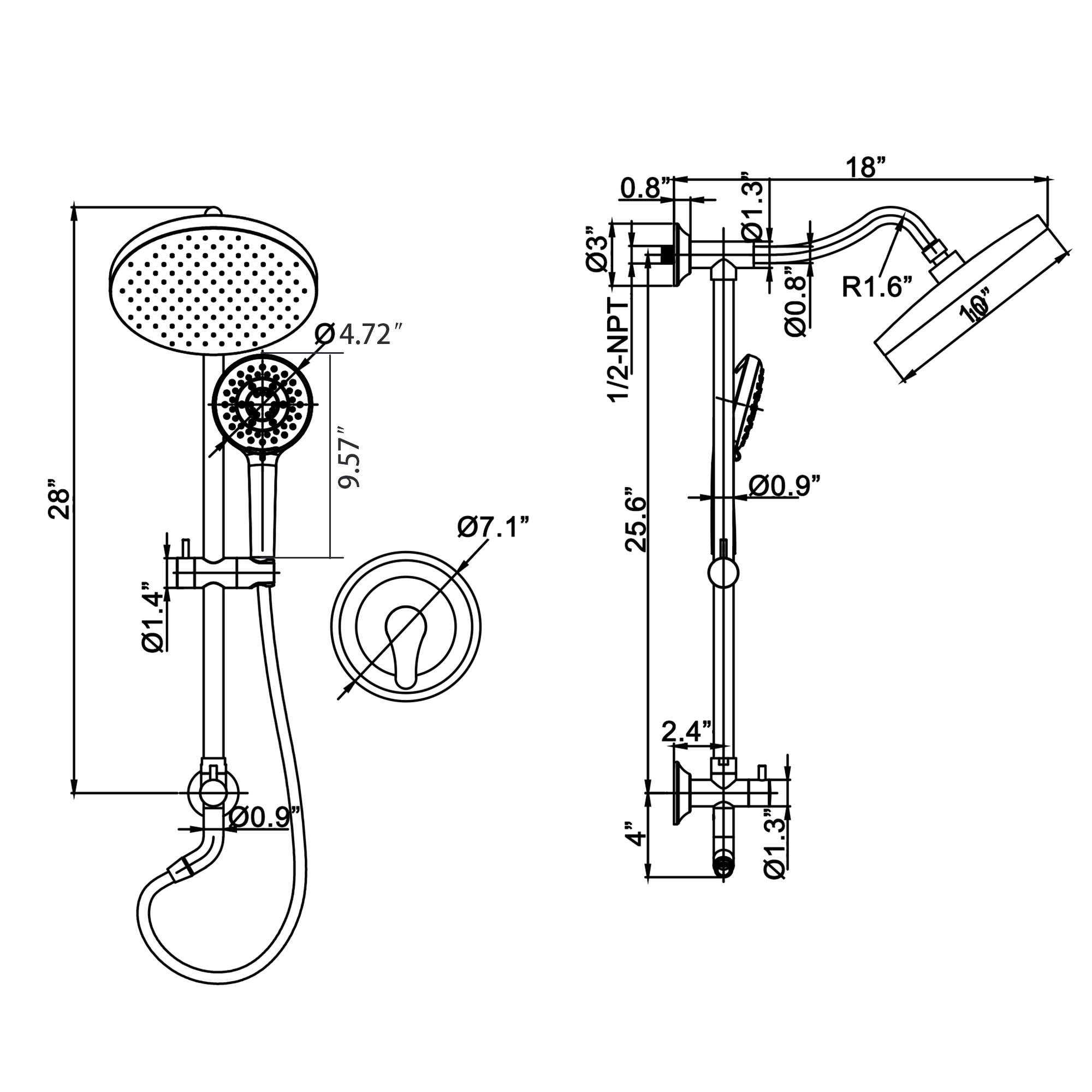
Stainless steel valves rely on chromium to form a passive self-healing oxide layer, preventing surface rust even when exposed to harsh cleaning agents. However, stainless steel is harder to machine, making intricate internal valve pathways more complex to manufacture. Brass remains the industry standard for built-in rough-in valves due to its reliable sealing capabilities and long-term bio-fouling resistance, which prevents bacteria biofilm accumulation inside the valve body.
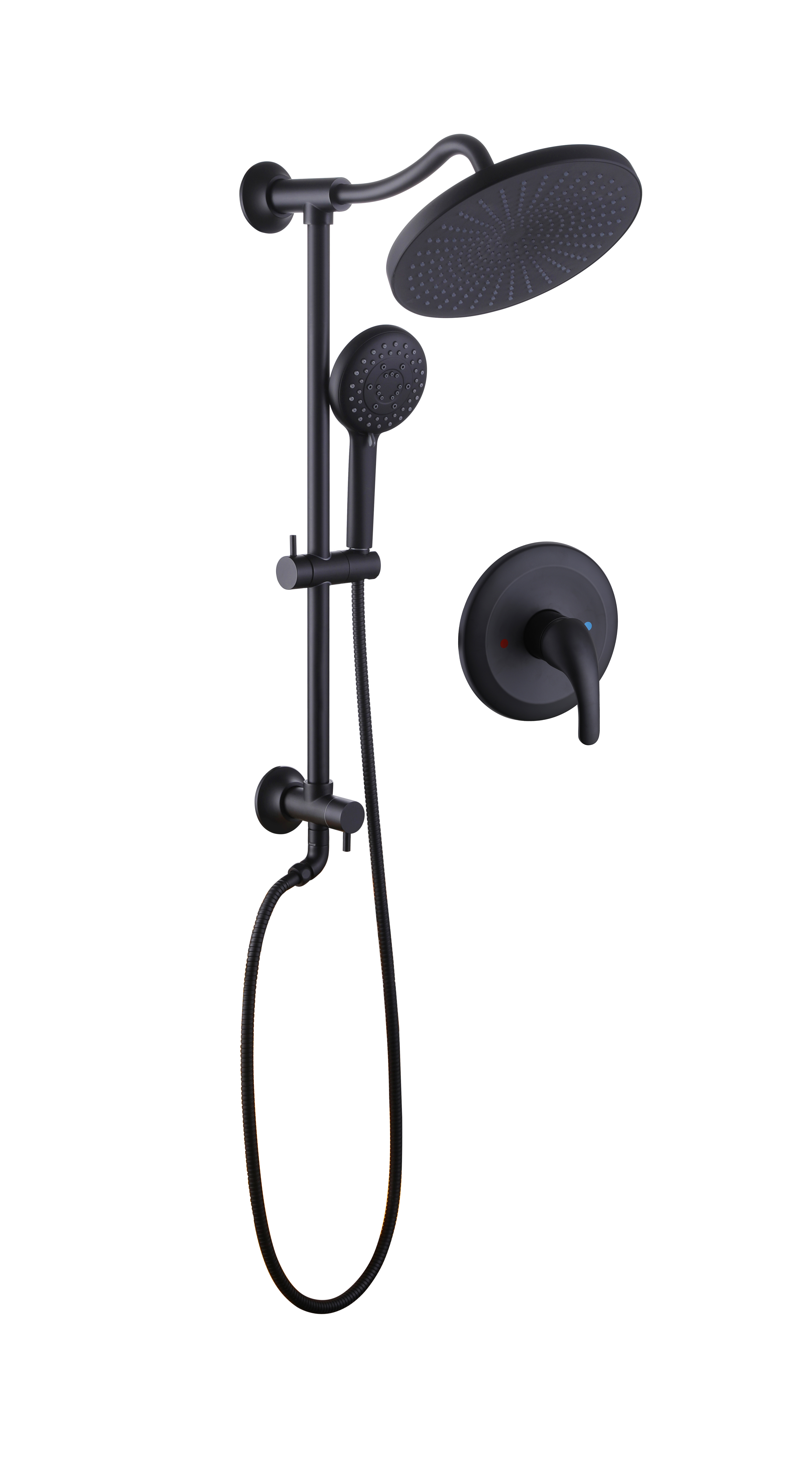
Data/Solution Comparison
The following table outlines the technical and physical differences between brass and stainless steel plumbing valves, based on typical manufacturing standards.
| Feature/Parameter | Brass Valves | Stainless Steel Valves |
|---|---|---|
| Primary Material | Brass (Copper-Zinc Alloy) | Stainless Steel (Iron-Chromium-Nickel) |
| Machining Complexity | Low to Medium (Highly malleable) | High (Requires specialized tooling) |
| Natural Lead Content | Trace elements (Requires lead-free formulation) | Naturally lead-free |
| Corrosion Resistance | Excellent in standard water; prone to dezincification in highly acidic water | Superior resistance to oxidation and acidic environments |
| Typical Application Scenarios | Residential bathrooms, commercial projects, concealed rough-in installations | Industrial facilities, outdoor installations, modern exposed fixtures |
Frequently Asked Questions (FAQ)
Are brass shower valves safe for drinking water systems?
Yes. Modern brass shower valves are manufactured using lead-free or low-lead brass alloys that comply with strict municipal drinking water safety standards and hold certifications like cUPC and NSF.
Which material lasts longer behind the wall?
Brass is highly preferred for concealed behind-the-wall rough-in installations. Its natural resistance to hard water scaling and low friction coefficient with cartridge seals make it highly reliable for decades of buried plumbing use.
Do stainless steel valves rust over time?
Stainless steel resists rust due to its chromium content. However, prolonged exposure to high salinity, stagnant water, or harsh industrial acids can break down its protective layer, though this is rare in domestic bathroom applications.
Final Conclusion & Recommendations
Selecting between brass and stainless steel shower valves depends heavily on the installation environment and project requirements. For standard residential and commercial bathrooms, brass remains the ideal choice due to its excellent sealing properties, ease of installation, and reliable performance under pressure-balanced operations. When procuring fixtures for large-scale developments, sourcing from suppliers with established quality control processes—including raw material inspection, production monitoring, and finished product testing—ensures long-term performance. For technical assistance with plumbing projects, please contact us at [email protected].
About Us
Modland Inc is a global bathroom vanity manufacturer and project solution provider, with over 20 years of experience serving builders, contractors, and developers. Established in 2016, the company operates with a team of 30 professionals and manages a factory area of 6000 square meters. Modland Inc specializes in US local stock supply and factory direct manufacturing, utilizing dual production bases in the US and Malaysia alongside more than 10 US warehouses to support the North American market. The company has served contractors, builders, and designers across the US, offering certified products that meet cUPC and NSF safety standards.

Lastest
-
Can I laser engrave our company logo on bulk single hole faucets?
2026-07-19 -
Does outdoor sofa foam need to meet specific fire retardant laws?
2026-07-19 -
How much discount can I get if I order single hole faucets in bulk?
2026-07-19 -
How do you ensure the workers' safety in the shower set plating workshop?
2026-07-19 -
Do you sign NDA agreements before we send medicine cabinet designs?
2026-07-19
SUBSCRIBE
INQUIRY